Which pliers for which job? Jaw shapes explained
Pliers look alike, but each jaw shape is made for a different job. Twist wire with cutters or lever heavy parts with long-nose pliers and the tool wears out fast and the work looks rough. This guide covers the pliers in the WYNNTOOLS catalogue, what each is for and what to check before buying.
What each type of pliers is for
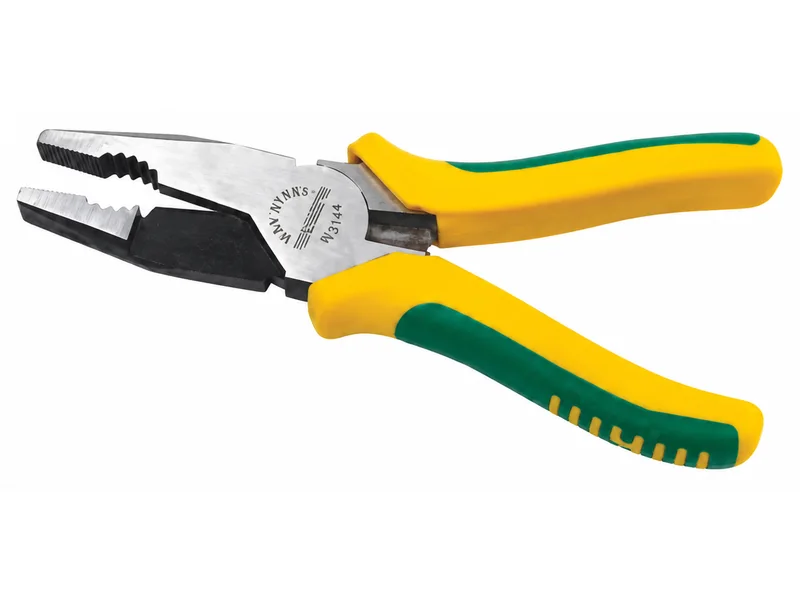
Combination pliers: the all-rounder every home needs
Toothed jaws at the front grip, twist and pull, and a cutter sits further in. Some catalogue models add wire-stripping and crimping grooves; the W3455, for example, has cutting edges hardened to HRC58-63 and cuts 3 mm wire rope.
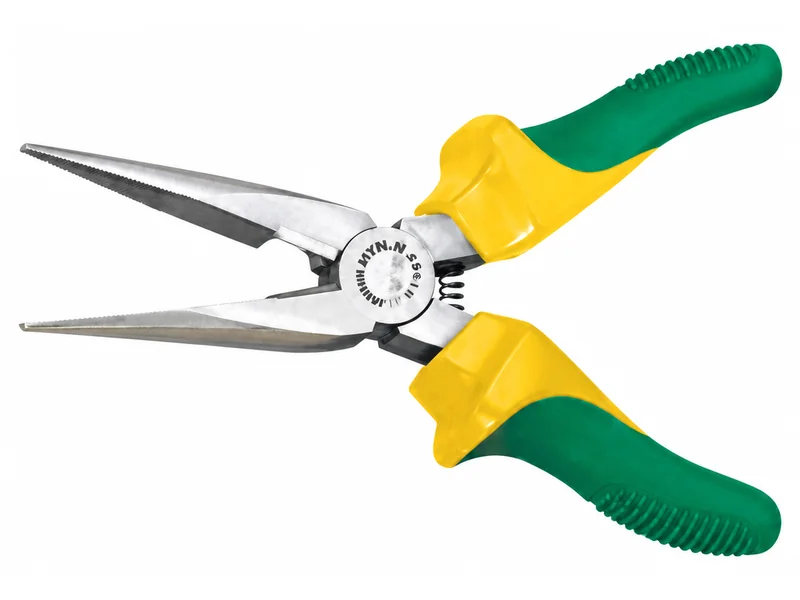
Long-nose pliers: small parts in tight spaces
Long, slim jaws reach small parts in tight places and bend wire ends into loops, which makes them a staple of electrical work. Many models also have a cutter near the joint.
Diagonal cutters: for cutting, flush to the surface
For cutting wire, thin steel wire and plastic flush with the work. They aren't made for gripping or twisting. Keep to the cutter's rating; the WNS105D, for example, is rated for 0.8–1 mm wire.
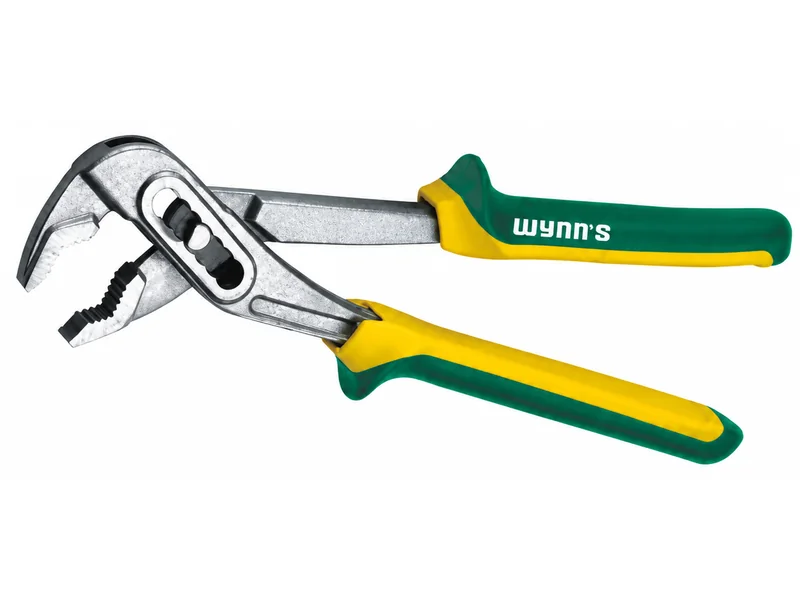
Water-pump and slip-joint pliers: big and round work
The jaw opening adjusts in steps, so they grip pipes, large nuts and round parts that ordinary pliers can't open wide enough for. Water-pump pliers are a plumbing favourite.
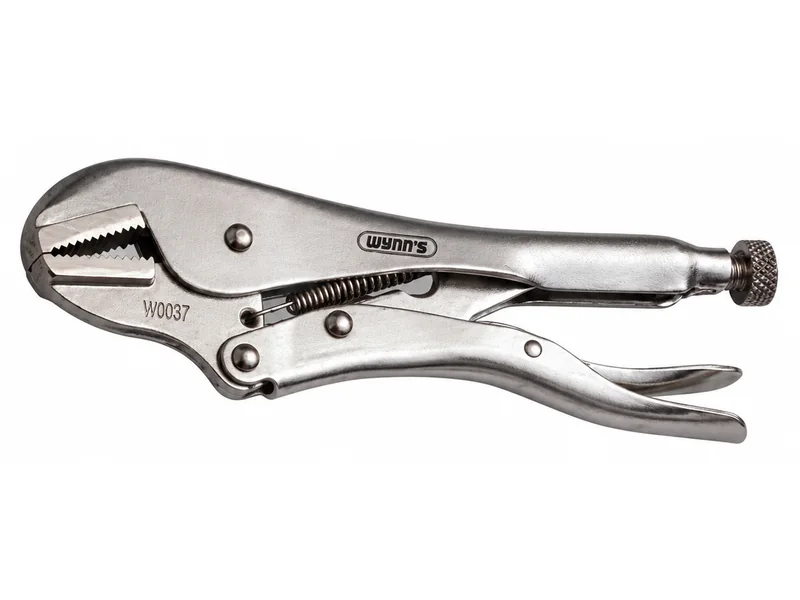
Locking pliers: they hold on by themselves
Squeeze and they lock, so you can let go. Use them to hold work in place, to turn a rounded nut, or to clamp parts for welding. The catalogue has straight-jaw, curved-jaw, C-clamp, sheet-metal, welding and chain locking pliers.
Circlip pliers: for retaining rings
The tips fit the holes in a retaining ring. Internal pliers close to fit rings inside a bore; external pliers open to fit rings on a shaft. The catalogue has a 4-in-1 set with four interchangeable tips at 45°, 90° and 180°.
Pick by the job
| Job | Best pick | Why |
|---|---|---|
| General fixes at home | One pair of combination pliers | Grips, twists, pulls and cuts wire in one tool. |
| Wiring and plugs | Diagonal cutters and wire strippers | Clean cuts, and stripping without nicking the copper. |
| Bending wire, tight spaces | Long-nose pliers | Slim jaws reach in and loop wire ends. |
| Pipes and big nuts | Water-pump or slip-joint pliers | Wide, adjustable jaw opening. |
| Holding work, welding | Locking pliers | They stay locked, leaving your hands free. |
| Vehicle repair, retaining rings | Circlip pliers | The tips sit in the ring's holes so it comes off without flying away. |
| Construction, tying wire, pulling nails | Tower pincers and nail pullers | The catalogue lists the tower pincers for construction and fitting-out work. |
| Fine, small work | 5-inch mini pliers | At 125 mm they're easy to control, with many jaw shapes such as needle, flat and parrot nose. |
What to check before you buy
Cutting-edge hardness
Some models state hardness as an HRC value, such as HRC58-63. The higher the number, the harder and longer-lasting the edge. You'll find it in each model's notes on the catalogue page.
A rubber grip is not insulation
Ordinary dipped grips are for comfort. Unless pliers are specifically rated as insulated for electrical work, never use them on live wires, and always switch off the power first.
Size for the job
Pliers are sized by length. 125 mm (5 inches) suits fine work and 150–200 mm suits general jobs. For hard cutting or heavy gripping, a longer pair needs less effort.
Common questions
Are 'pak jingjok' pliers the same as combination pliers?
Yes, it's the same tool under two Thai names, and our catalogue uses both: toothed gripping jaws at the front and a cutter further in.
Do rubber-grip pliers protect against electric shock?
Don't count on it. Unless the pliers are rated as insulated for electrical work, switch the power off before you start.
What is HRC?
It's the Rockwell C hardness scale for steel. A higher number means harder steel and a cutting edge that wears more slowly.
What's the difference between internal and external circlip pliers?
Internal circlip pliers close their tips to fit rings seated inside a bore. External pliers open their tips for rings on a shaft. If you're not sure, get a set with interchangeable tips.
How much are WYNNTOOLS pliers?
Prices aren't listed on the site. Send the item code or a photo on LINE and we'll quote retail and wholesale.
Read next
Not sure which pliers you need? Ask on LINE
Tell us the job and our Sampheng team will suggest a model and quote.