How to keep hand tools from rusting
Rusty tools get stiff, lose their grip and wear out sooner. This guide explains how to keep hand tools from rusting, from wiping and oiling after use and storing them properly to removing rust that has already formed, and how materials like CR-V, SK-55 and stainless differ when it comes to rust.
Why tools rust
Rust forms when steel is exposed to moisture and air for long enough. Thailand is humid almost all year, so tools left sweaty, rained on or stored somewhere stuffy rust quickly. Residue from the job, such as cement, soil, fertiliser and salt water, speeds it up further.
Most hand tools are made of steel, not stainless. Plating or a black finish protects them up to a point, but once that layer is scratched or neglected, the steel underneath can rust.
What the material marking tells you
| Material | Used for in our catalogue | Rust |
|---|---|---|
| CR-V (chrome vanadium) | Nearly all wrenches, sockets and screwdrivers | A strong alloy steel but not stainless. Usually chrome-plated or blackened; oil it where the finish wears. |
| SK-55 / SK-5 | Pliers, cutters and blades; the catalogue describes it as high-carbon steel | High-carbon steel takes a hard, sharp edge but rusts more easily than alloy steel. Always dry it and leave a thin coat of oil. |
| #65 manganese steel | Garden tools such as pruning shears | Constantly exposed to soil, sap and water, so wash and dry after every use. |
| Stainless 304 | Some automotive tool parts | The most rust-resistant here, though dirt left on it for long can still leave rust spots. |
| Stainless 2Cr13 / 3Cr13 / 4Cr13 | Combination and triangle squares, blades, scissors | A hardenable stainless, harder than 304 but less rust-resistant. Wipe dry after use. |
| Brass / aluminium | Brass padlocks, aluminium levels | No iron, so no red rust, though the surface can dull. |
After every job
Wipe off the dirt
Clean off cement, soil, sap and sweat, which hold moisture against the steel. Brush off anything that has hardened.
Dry it completely
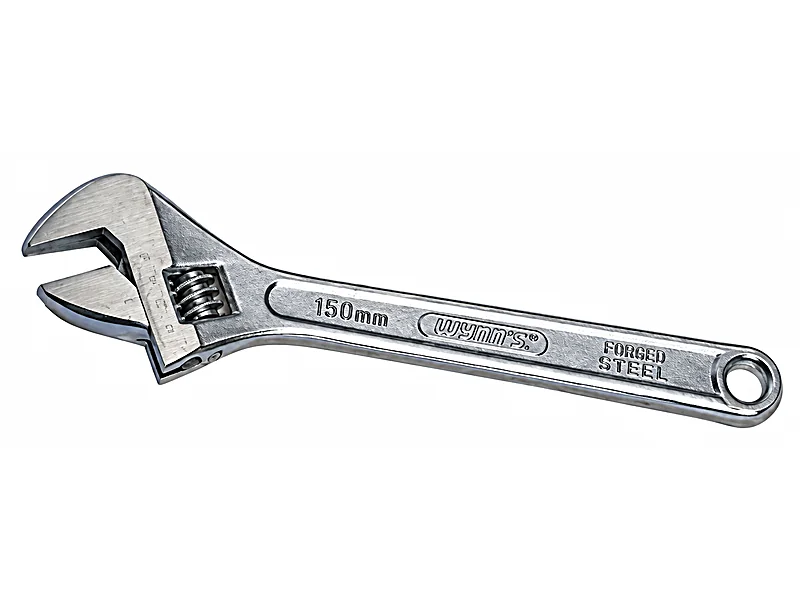
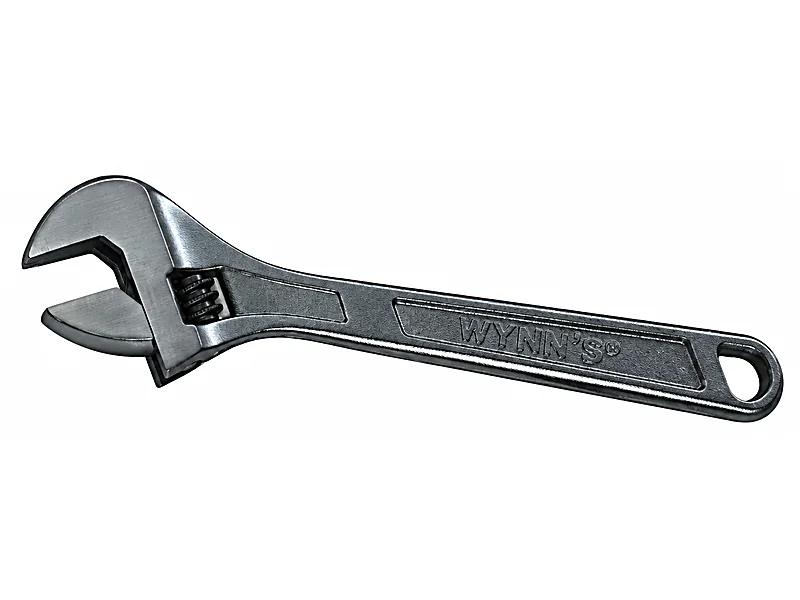
If it got washed or rained on, dry it straight away, including plier joints, the adjustable-wrench worm screw and under the grips, where water collects.
Leave a thin coat of oil
Wipe the metal with a rag dampened with thin lubricating oil or anti-rust spray, then wipe off the excess; it shouldn't be dripping. Don't use cooking oil, which turns sticky and smells over time.
Oil the moving parts
On pliers, locking pliers, shears and adjustable wrenches, put a drop on the pivot or worm screw and work it a few times. It keeps them smooth and keeps rust out of the joint.
Storing tools
Keep tools somewhere dry and ventilated, off concrete floors, and away from bags of cement, fertiliser or chemicals. In a toolbox or tool bag, add a desiccant pack and replace it when it is spent. Never shut wet tools in a closed box.
Shops holding a lot of stock should keep cartons on pallets or raised shelving, away from a shopfront that catches rain, sell first in first out, and wipe display pieces with oil now and then, since customers handle them.
If rust has already started
Light surface rust
Rub with oiled steel wool or a wire brush until you see bare metal, then wipe clean and oil it.
Heavier rust
Use a rust remover as the label directs, rinse it off completely, dry, and oil at once, since freshly cleaned steel re-rusts quickly.
Chrome-plated tools
Don't scour with coarse sandpaper, which strips the plating and makes rust worse. Use an oily rag or fine steel wool.
If rust has pitted the jaws of a plier or wrench so it no longer grips, or you can see cracks, replace the tool, as it may slip or break in use.
Common questions
Can I still use a rusty tool?
If it's only surface rust, clean it off, oil it and carry on. If rust has pitted the jaws or there are cracks, replace it.
Which oil should I use?
A thin lubricating oil or an anti-rust spray for metal, wiped on as a thin film. Avoid cooking oil.
Does CR-V steel rust?
It can. CR-V is an alloy steel, not stainless, which is why it is usually chrome-plated or blackened. Scratched finishes or damp storage will let it rust.
Is stainless truly rust-proof?
Far more rust-resistant than plain steel, but not completely. The hardenable stainless used for blades and squares, such as 2Cr13 to 4Cr13, resists rust less than 304, so dry it after use.
How should a shop store stock?
Keep cartons in their original boxes, off the floor and away from rain or damp, sell first in first out, and oil display pieces from time to time.
Read next
Questions about materials or care? Ask on LINE
Send the code or a photo of the tool and our Sampheng team will help.